When I went on my honeymoon, I cried. Every day. I had no idea why. I wondered if I didn’t want to be married (I did). Later, I thought I’d had a breakdown. Now, I know it was burnout.
The year I got married, I also lost my dad unexpectedly, finished my Masters dissertation (on Divorce in 18th Century Literature!), moved house – twice – and turned 30, all while working full time in a stressful job. We honeymooned at Christmas in New Zealand, a place full of conflicting memories, and that 12 months caught up with me like an avalanche.
My husband dealt with it pretty well. We’d been together two years and knew each other a bit by then, though we’d not actually lived together all that long. I knew to give him food if he got snappy. He knew not to run after me if I left our accommodation and just kept walking. I’d come back eventually.
Years later, with two young children, I would often break down when we arrived at our holiday accommodation. I would have arranged everything, so would take every disappointment personally. There’d be tears and shouting. There still are sometimes.
The difference now is there is also understanding. For all of us.
I know I get disregulated with the pressure of packing and remembering everything. My RSD kicks in if I think I didn’t choose the perfect cottage, or I forgot to pack my son’s breakfast bowl and spoon. And we get it.
When we arrive at a holiday destination, we separate to our own spaces (and accommodation is always booked to allow us LOTS of space) and we regulate. Scroll social media, drink tea, nap, unpack, have a lovely shit. 😂
And throughout the holiday, we practice low demand.
It’s hard.
Sometimes I really just want us all to go out for a meal in a nice restaurant. Or even a crappy café. But with tonnes of anxiety and ARFID, that’s never going to happen. Eating is a constant challenge and being in public is stressful. So I cater, even if that means less of a holiday for me.
*I’m pausing writing this because I’m on holiday and my daughter needs help regulating.*
Two days later…
And there, that’s exactly how we survive and even enjoy holidays. We lower our expectations and then lower them a bit further. And even if it feels like we’re giving up a bit of ourselves and a lot of what we might want to do, the result is a holiday that we can share together in our own unique way.
I have learned that the accommodation is everything. The largest expense always goes on the perfect Airbnb, because there’s a chance we might not leave it. It has to have three bedrooms rooms, hideaway spaces, a well-equipped kitchen, because I’ll be making all the food.
WiFi is paramount. We learned that the hard way, when we couldn’t even get 4G in a place and my husband spent a lot of time parked in a Supermarket car park so my daughter could communicate with friends.
The second luxury is food. An all-expenses trip to Aldi on arrival has replaced the Waitrose home delivery now the children are older. If you’re not going to restaurants, you can splurge on all the best packet food, enough that hopefully someone will find something their anxiety allows them to eat. And then food intake MUST be monitored. Disaster is often caused by hanger.
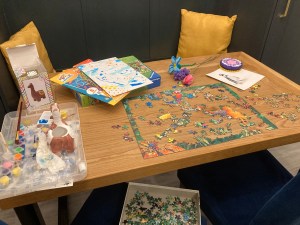
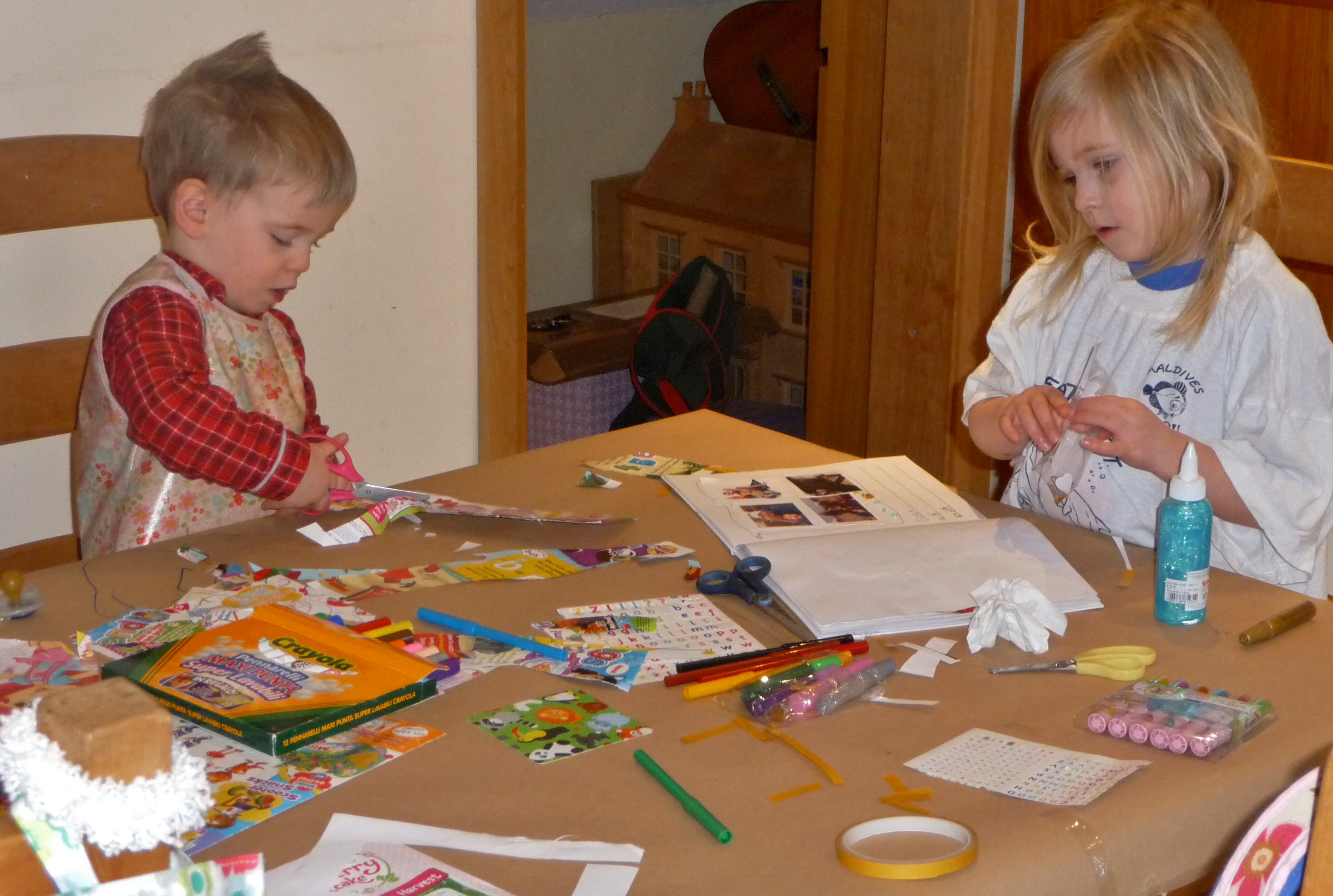
We pack as if we’re moving, even for an overnight trip. Craft, puzzles, colouring, games, gadgets. The two-night break I just had with my daughter included the glue gun (to make pipe cleaner flowers).
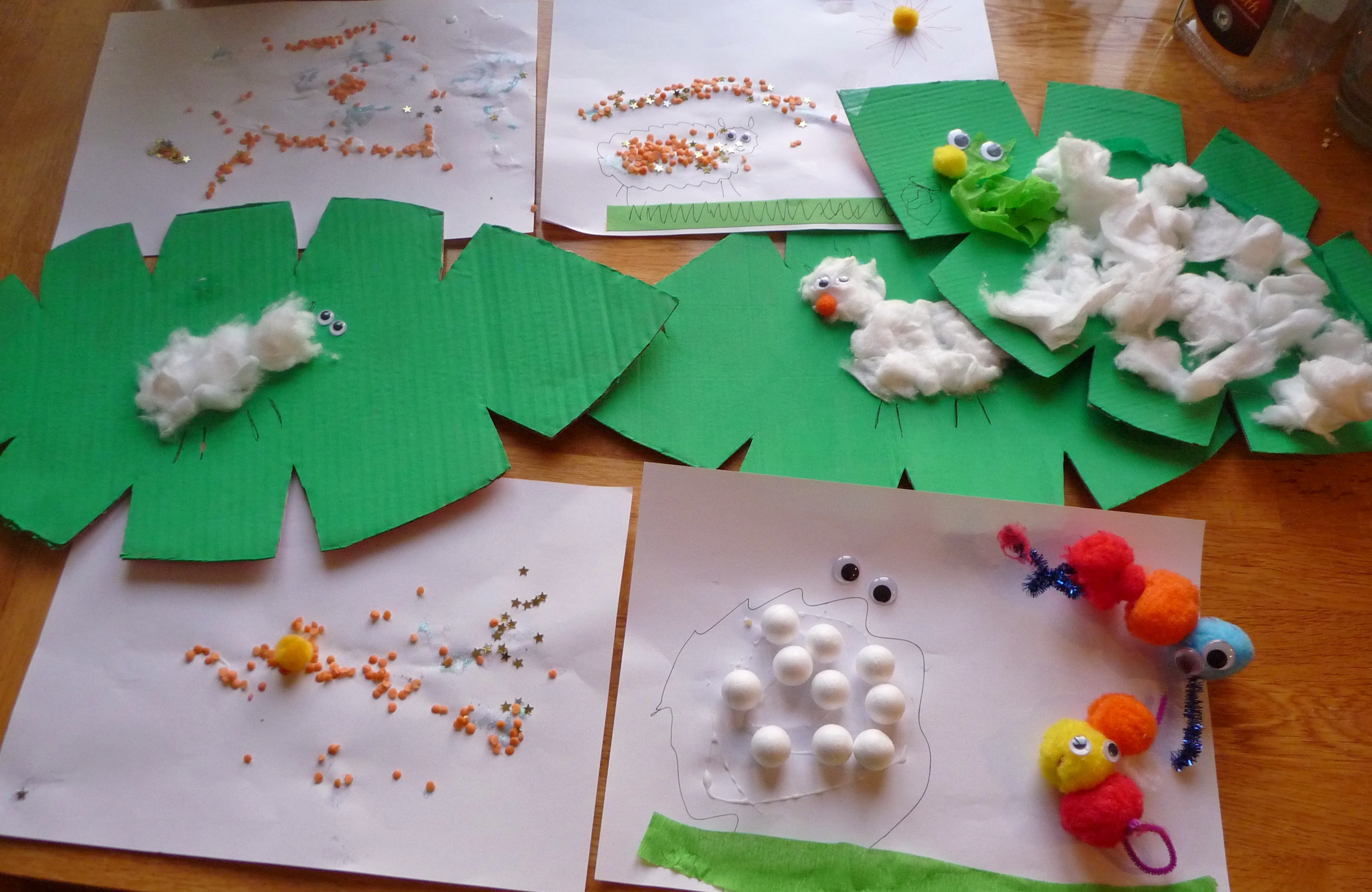
When they were little, it was a £50 Baker Ross order of easy craft kits. ADHD needs to be busy, but anxiety and autism get easily overwhelmed. If you can’t get entertainment on the beach or in the arcades because the anxiety-stars won’t align, then entertainment has to be available. It’s walking a tightrope, it gets easier with practice.
There are loads more little learnings, but they’re probably unique to us. The last bit that might be worth sharing is the most challenging.
Day trips.
It’s hard to book something in a low demand house. You might buy tickets you don’t use. We often do. Or we bear the ND-tax of paying on the gate, because booking ahead is too risky.
Much research goes into something we can all do. Space to roam. Not too much walking. Interaction. Flexibility. Food. Toilets. Easy parking. Weather proof (especially in wind-phobia days). The learning curve was steep.
I took my kids to our nearest seaside town when they were both under 3. It’s a two-hour drive in summer, but I grew up by the sea and wanted them to have that.
When we arrived, my daughter fell and cut her knee. I hadn’t yet learned to carry a first aid kit. We got to the beach, pebbly and very British. It turned out my son didn’t like the feeling of the sand. My daughter was scared of the moving water. I didn’t know we were all neurodivergent, but I knew we needed a different plan.
And there was Sealife.
My first visit. It was perfect. Pushchair friendly. Doors sealed so children could roam safely. Interesting, but not sensory overwhelming. Animals, fishes, stickers. A playground (which is sadly now gone, I noticed yesterday). A café. Even a lovely member of staff who agreed to plaster my daughter’s knee.
We were there for hours. And Sealife is a firm favourite in our lives. My daughter and I went yesterday, 12 years later, and the magic was the same.
Places like Sealife, where the children know what to expect, are a lifesaver for us. We have a few – Woburn Safari Park, Warwick Castle, the different Sealife centres – where we know we can survive. We might only stay a short time. One parent might need to sit in the car to regulate. We might divide and conquer. But it works.

The other thing about our holidays is making sure I know everyone’s ‘Must Haves’ list. My son’s ‘must haves’ are the amusement arcade, preferably every day to earn tickets for a prize, and mini golf. My daughter needs to shop for souvenirs and to watch a sunset. I need to have walked along the shore and to have a daily proper coffee. My husband is happy to do anything as long as he can have a lie in and some downtime. Once we’ve ticked all of those, we’ve had a holiday, even if we have to leave early because we’re all out of spoons. But don’t tick one? Not good.
I used to think holidaying with my wonderful neurodivergent family meant I was missing out. I’d see friends’ vacation photos and envy the museums and restaurants and theatre visits, when mine were of shingle beaches and captive penguins. They go on trips abroad to Paris or Disneyland or – now the kids are older – skiing and safari. Things we will never do as a family.
But not things I have never done. As a lone traveler I have seen so many amazing places, and hope to again. But this time in my life is not about me. And that’s okay.
I take my moments. Sitting up late painting while everyone is plugged in watching YouTube. Early mornings on the beach watching the sun rise. Or walking in the freezing rain, as I did this morning while my daughter packed. I could sneak out, because she was regulated. And then I was ready to do what she wanted, which turned out to be come home. And that was okay.
My last little observation is that, actually, those Facebook photos are important. I used to feel disingenuous, posting smiling photos of sunny beaches, when that might have been the one light moment of a difficult day. But my social media feed isn’t to show off to others, it’s my journal. In a year, two, five, Facebook will remind me, and I will smile. I’ll barely remember the hardships, I’ll just recall that I was with my family and there were glimmers of joy.
And hopefully that’s what they’ll remember too.






 writermummy