Part of healing from burnout for me has been having the space to realise how damaged my relationships with my family are, after the two years of neglect. Neglect, because I have been pouring all my energy into negotiating the even more complex relationships that a job brings for me.
My neurodivergence comes with massive empathy wrapped up in a complete inability to read people, and a physical discomfort when I get it wrong or hurt someone. What could possibly go wrong?
Let’s unpack that.
I care.
I can’t just go to work and have colleagues. I care about them. Let them in. Treat them like family.
It’s not always a good thing, in an office. Lines get blurred. Piss me off, and I get upset, angry, mean. I will literally do anything to help the people that come under ‘work family’ but if I feel betrayed or let down, I hurt. And lash out. Or I drown in self doubt and believe I have to quit because I just can’t do it. I think my boss talked me out of resigning at least every couple of months.
It’s no wonder I have only managed about 10 years’ proper employment in the 25+ years since I left school.
Because, together with the feeling-everything that makes me overly-emotional comes the inability to read people. I mean I am really bad.
It can occasionally be useful.
In the past, I haven’t noticed when blokes in the office have been trying to hit on me until they make a drunken move at an office party (and then I am shocked.)
But it also means I can’t always read sarcasm. I can’t tell if someone is tired/busy/sad/distracted or actually mad at me. And my default belief is that they hate me (more on that below).
Since I realised I’m AuADHD I am more aware of it. I will ask for clarification, from the person or a neutral third. Even that is dangerous, though, as it comes close to gossiping. And you have to trust that the other person you’re speaking to isn’t also going to misconstrue, because of their own potential neurodivergence.
It’s a minefield.
And for me – and apparently up to a third of people who are Autistic / ADHD – that minefield is armed.
Enter RSD.
RSD stands for Rejection Sensitivity Dysphoria. Like ADHD, the acronym hides the depth of the iceberg. ADHD doesn’t just mean ‘oooh squirrel’. And RSD doesn’t just mean you’re a bit sensitive to criticism, poor wee snowflake, build some resilience.
For me – and I can only talk for me – it means pain. Broken relationships. Hurting people I care about. Losing friends. And did I mention pain? Actual physical my-life-isn’t-worth-living pain.
If someone tells me I am wrong about something, or that I made a mistake, my flight-fight kicks into overdrive. My ears start ringing, my pulse quickens, adrenaline floods through me until I fizz. A knot of tension tightens in my stomach and I feel like I’m falling backwards into a dark place. It’s not dissimilar to a panic attack (or, if you haven’t ever had one, to being uncomfortably drunk.)
I might lash out, depending who has said it. And if I’m with people I love, there’s a strong chance they’re neurodivergent and also RSD, so the exact same process then happens to them. And I can see they’re hurt. So the RSD ramps to the next level, because not only am I wrong (a horrible thing) I am also evil for hurting them. I don’t deserve to exist. Depending on the severity of the feeling, I can get suicidal thoughts.
At that point, flight-fight expands to include freeze or fawn. So one of four things will happen now, all out of my control.
- Yell
- Leave
- Go mute
- Apologise endlessly
None are conducive to healthy relationships, especially if the other person a) doesn’t know what’s happening and/or b) is experiencing the same thing.
Eventually the physical reaction will fade. That’s when the real pain starts.
The racing, intrusive thoughts. The need to apologise, explain, beg for forgiveness. The overthinking. Replaying, trying to understand. Knowing I am overreacting but being unable to control it.
And the echo can last decades. Waiting for my brain to retrieve it at my lowest moments. Stupid incidents from age 16 still make my ears ring and my pulse race at 2am. And still my brain will actively seek those memories out and replay them. Stupid brain.
It’s no wonder I don’t have many friends, or that I was reported more than once at work for upsetting someone in a meeting or email.
Because the passion and energy that makes me good at my job comes from a need not to fail. That perfectionism I always put on my CV? Turns out it’s RSD driven. If I always deliver, on time, above expectation, no mistakes, you have no need to criticise me. The RSD beast lays dormant. Unless you tell me I am overdelivering and that’s why I’m in burnout. You’re trying to help, but it’s a criticism and so it triggers the fight-flight. (Sorry, boss!)
Knowing about RSD has helped. I have dropped off calls when I felt the adrenaline in overdrive. I’ve walked (stomped) round the building a few times to calm down. Sat in a toilet cubicle and sobbed.
But if everyone else around me has no idea, I just look hysterical, overly-emotional, unstable, or plain out of order. And that’s at work.
In a house where 3/4 of us have RSD, and getting it right matters so much more, but we all feel more. Well. Exhausting.
I recently read a great post on RSD on LinkedIn https://www.linkedin.com/posts/adhd-asc-dyslexia-family-resources-belgium_rsd-neurodivergent-rumination-activity-7132409562745204736-OMQV
It includes this checklist:
Do you often feel intense emotional reactions in response to perceived or actual criticism or rejection?
🔹 Can seemingly minor feedback trigger a mental tail spin or emotions and thought spirals?
🔹 Do you have trouble containing your emotions when you feel rejected and your responses may be disproportionate to the situation?
🔹 Do you experience #rumination and perseveration and are unable to let comments go?
🔹 Do you frequently engage in people-pleasing behaviors to avoid potential rejection or #criticism?
🔹 Do you feel highly sensitive about other peoples opinions of you?
🔹 Are you prone to high levels of self-doubt, low self-esteem, or negative self-talk?
🔹 Do you find it challenging to navigate social or professional situations due to the fear of judgement or rejection?
🔹 Do you at times feel constantly attacked and on edge?
🔹 Do you avoid starting projects, tasks or goals where there’s a chance of failure?
Kate Halpin
I tick every. single. one.
Imagine carrying that all the time with no one knowing? Imagine finding out there is a name for it and you’re not just a failure or a terrible human being?
There isn’t a cure. Only knowledge. Therapy. Being open.
We need to talk about RSD, especially at work. Look for the signs in others. Support them, come up with strategies or signals to help in a moment of crisis. Don’t judge. We’re not snowflakes, we have a mental condition.
And, most importantly, find a friend that tells you it’s the RSD talking when you’ve left all your work WhatsApp groups because you think everyone hates you.
And then have the bravery and humility to ask to be let back in 😊





 It’s been a while since my last post. It feels like forty years. Given the nature of
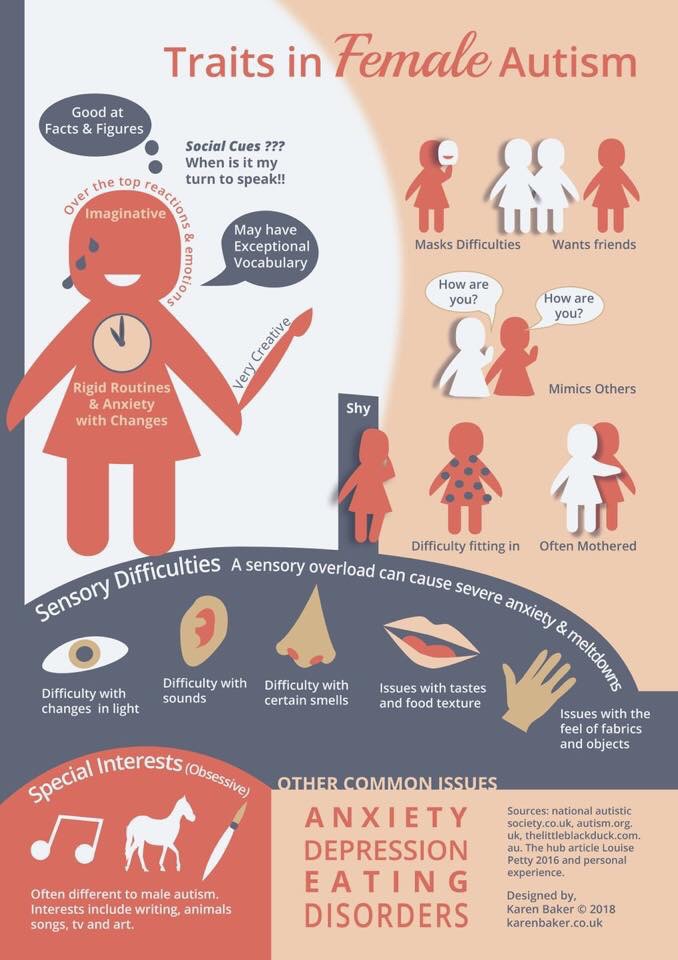
  I’ve spent the last six weeks reading everything I can and replaying my life through this new filter. Exhausting but incredibly enlightening. All the parts of me, of my life, that I thought were broken were actually a result of me being ‘neuro-divergent’. The phrase ‘normal, not normal’ springs to mind. Mostly, for the first time in forever I don’t feel alone. (Go on, who now has a Frozen song playing in their head)
 writermummy