Rejection and the 365 Challenge Day #16

This was actually taken a few years ago when I had time to do such things! It looked like this outside today though...

This was actually taken a few years ago when I had time to do such things! It looked like this outside today though…

I received my first rejection for Dragon Wraiths today. I’m quite happy about it. I’ve sent out about a dozen query emails for the novel (did I mention just how long it takes to research an agency, choose the right agent, pitch the query letter as close as possible to what they want and then send it?) and this is the first reply I’ve had. So it was a rejection, so what? Aren’t you meant to get about forty rejections before you’re accepted? So that’s one step nearer.
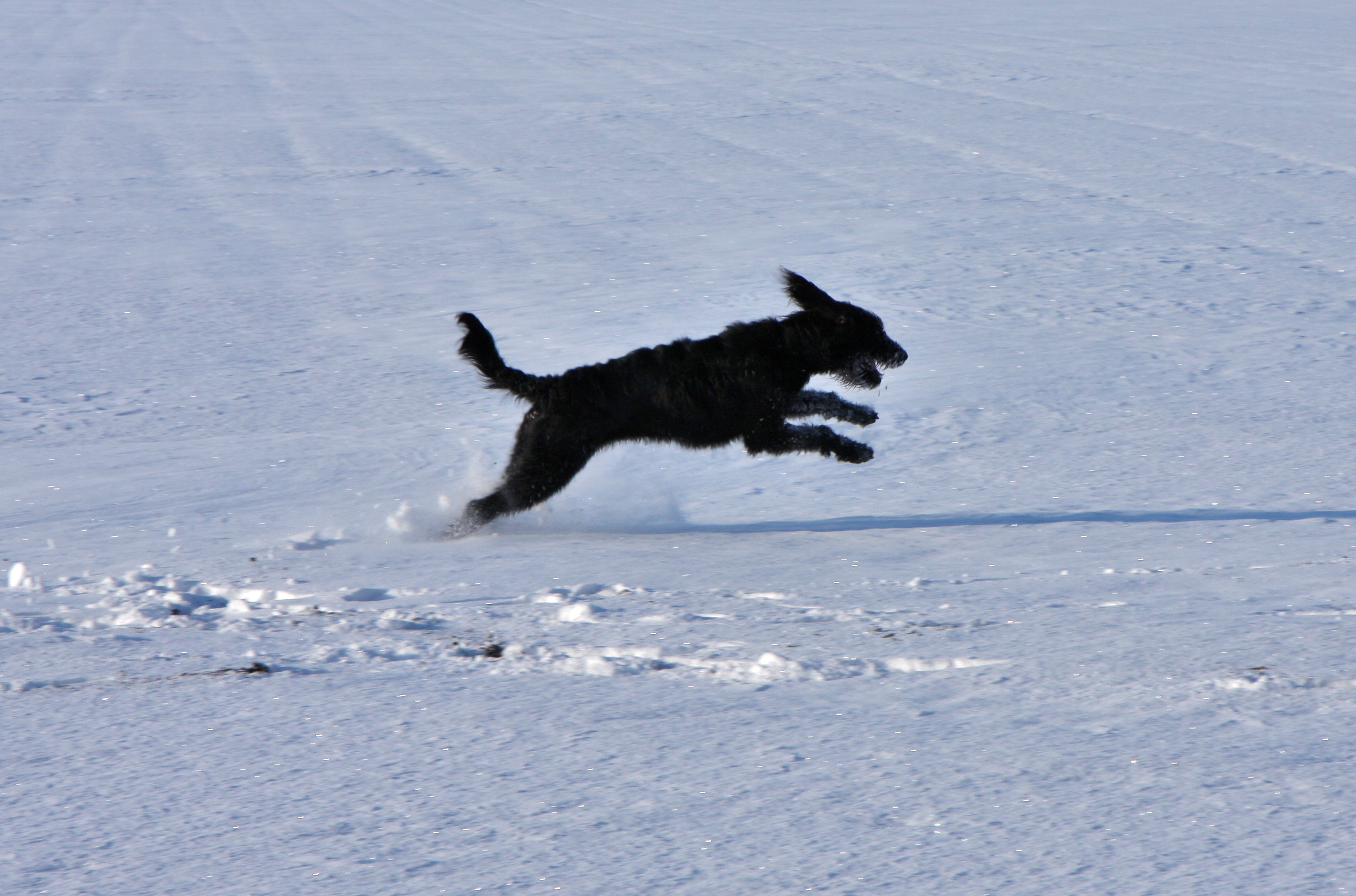
Our dog Kara enjoying the snow

Our dog Kara enjoying the snow

It reminded me of a bit in Clare Balding’s great autobiography My Animals and Other Family where she and her brother are told a jockey isn’t a real jockey until he’s fallen off his horse a certain amount of times (I think it was sixty but if I go and check I’ll start reading the book again and I already have no idea what I’m writing for today’s Claire post so that will scupper it entirely.) Anyway, the kids keep falling off their horses deliberately, in order to build up to the magic number. Their frustrated mother points out that it doesn’t count if you do it on purpose. I’ve sent out query letters before but I haven’t put my heart and soul into them. This time I’m doing it properly so this is my first genuine rejection. Only 39 to go.
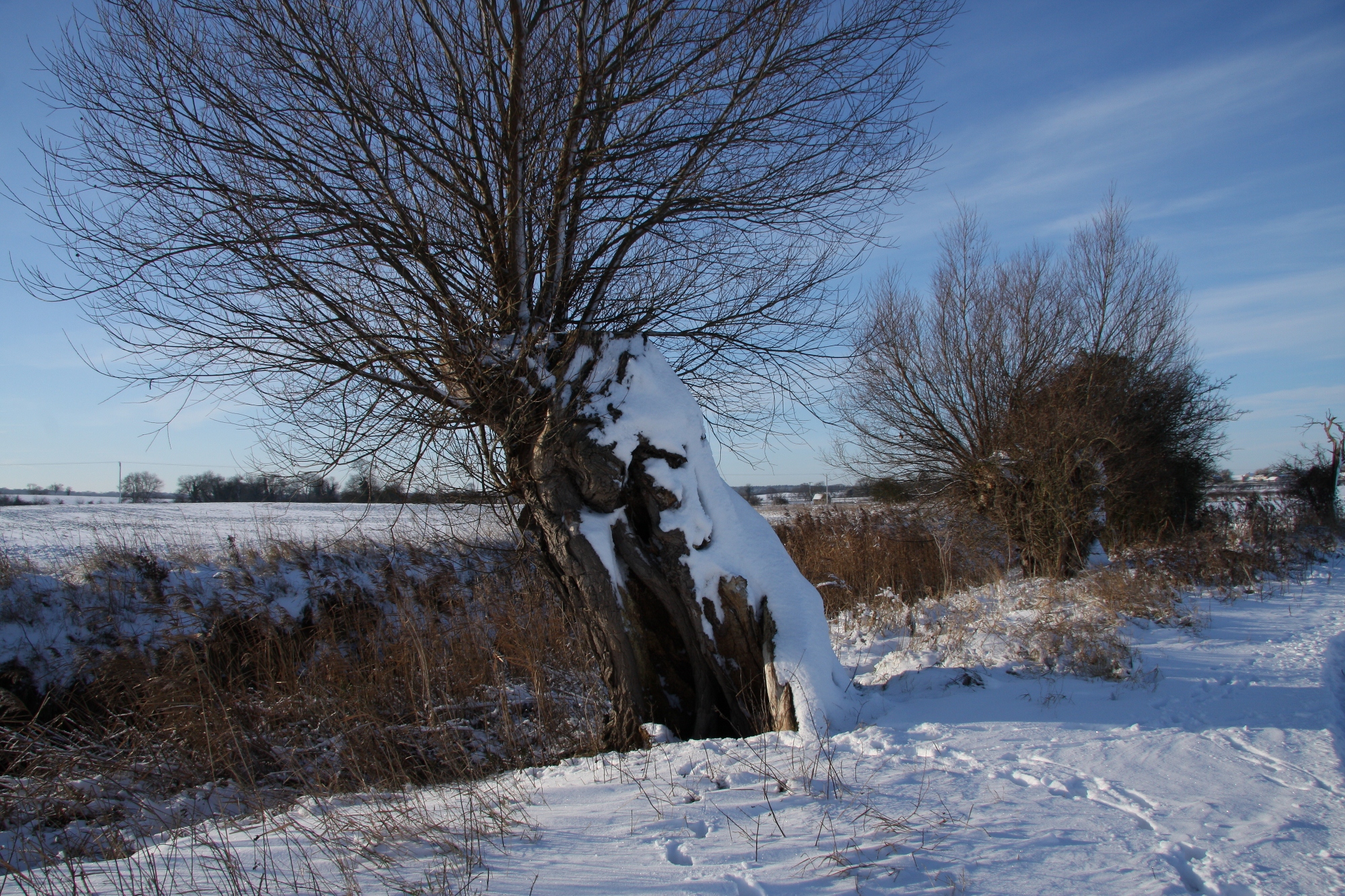
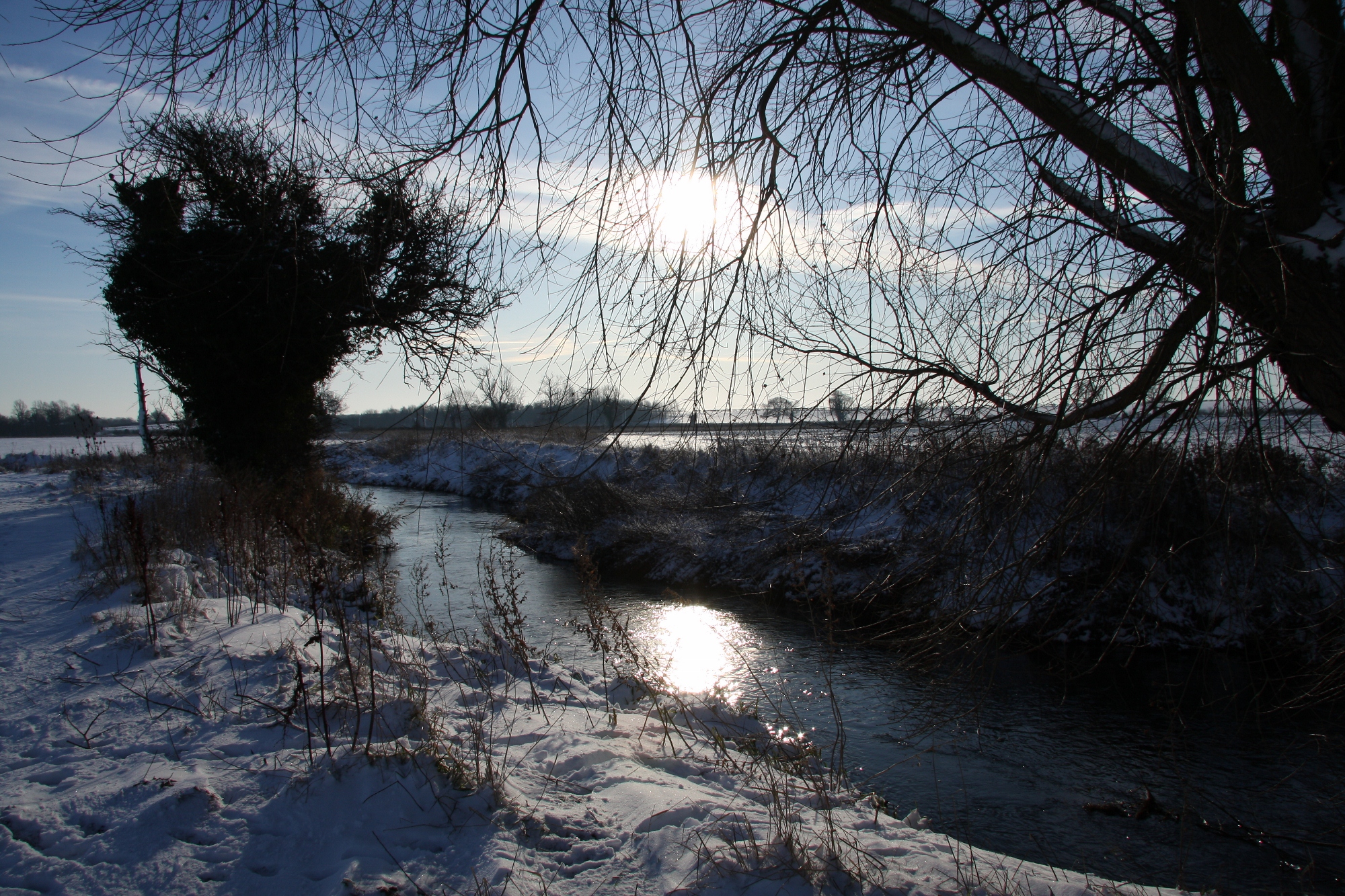
IMG_9930 (2000x1333)

Taken in the field across from our house. I get to walk this every day (when my knee isn’t playing up as it is now!)

As mentioned above I don’t know what I’m writing about today for my novel. I’ve spent the last twelve hours with two fragile, screaming, over-tired preschoolers, taking them to play with their friends and then going sledging. My nerves are zinging and I’m only fit for bed. So I’m just going to write and see what happens. Apologies if it stinks! I have joined the YHA and am just waiting for my membership card in order to be able to send off for a guide to the hostels. Once that arrives I’ll be able to start my proper research, plan out Claire’s travel route and get on with the novel proper. Until then it’ll probably be another post introducing characters which hopefully won’t be as boring as it sounds.

________________________________________________________________________

“Please pass the salt.”

Claire located the salt pot amidst the silverware on the table and handed it to her father. He thanked her without making eye contact and returned to demolishing his lamb roast.

Chewing the slightly over-cooked meat, Claire looked up at her parents’ bowed heads and wondered when they got so grey. And boring. I remember when they used to talk at dinner. Maybe I’m making them feel uncomfortable. It wasn’t a nice thought. Claire was used to not getting a prodigal-son welcome when she came home but the constraint surrounding her at the dinner table that evening was suffocating.

“Kim’s dyed her hair red for a role in a Shakespeare play.”

“Hmmm.” Her mother speared a green bean and put it in her mouth.

“She looks great, like a life-size pixie.”

“Hmmm.” This time it was a baby carrot that felt the fork.

“She’s having her nipple pierced and leaving Jeff for the cleaning lady.”

“Hmmm… I beg your pardon?” Her mother’s face whipped up and she looked at Claire for the first time since they sat at the table.

“Joking. Just wondered if I was actually here.”

“It’s not healthy to talk and eat, it causes you to take in too much air. Your father suffers from heartburn so we have silence at the table.” She spoke the last words pointedly and returned to the massacre of the vegetables.

Sighing quietly, Claire focussed on eating her dinner as swiftly as possible. She had had plenty of time to regret coming to visit her parents in the two days since she’d arrived. She had barely shared three words with her mother and tonight at the dinner table was the first time her father had even appeared. She was shocked to see how old he looked.

Has it really been so long since I visited, or has he been aging in double-time since he retired?

Claire tried to turn her mind away from the mausoleum of the dinner table and think nice thoughts. Her future wasn’t exactly swimming in them. In the morning she had to load her hated rucksack into her loathed old banger and drive 300 miles to stay in a flea-ridden youth hostel. She had taken the decision to invest in a Sat Nav, having found it difficult to even get home to her parents’ house without the inbuilt one in her company Audi. It had taken until an hour ago for her to bring herself to plot in the route to Berwick and she was shocked to find out it was going to take at least five hours to get there when she left in the morning.

Probably six or seven in that stupid car, it only manages seventy-miles-an-hour downhill with the wind behind it. I’m going to have to leave at 5a.m. to get there by dinner time. She looked around the table at the chewing waxwork figures of her parents and gave a tiny shrug. That’s not going to be a hardship. I might not want to go to Berwick but I can’t wait to leave here.

As she tried to get comfortable in the z-bed her mother had deigned to put up for her, claiming the linen in the spare room was in the laundry, Claire mused that at least she’d had some practice sleeping in a lumpy bumpy bed. That was the only prep she had done for the big adventure that was due to start in a mere twenty-four hours.

It’ll be fine, she thought sleepily. I’m good at winging it.

***

The Long Silence Explained

SylvesterIt occurred to me after I posted my essay on guilt yesterday that I forgot entirely to explain the long silence, despite putting that in my title. Making it a separate post possibly gives it too much weight, as if anything more than normal life has been going on in the last four weeks. It hasn’t. That said, there has been a convergence of events since the beginning of November, creating something like a maelstrom in my life. Some I’ve mentioned already – my husband being made redundant for example – but others happened amidst the whirlwind of NaNoWriMo and beyond.

NaNoWriMo in itself was a struggle this year. I learned a lot about myself as a writer and about the life of a Writer (with the capital letter firmly in place.) I didn’t start NaNo until several days into November because my brain was frozen after weeks of editing. Ideas don’t exactly spill out from my tired mind on the best of days but I had truly exhausted my imagination writing and editing Dragon Wraiths in nine months (ready for the Mslexia competition – more on that later). So in the end I opted to write up a story idea I had for NaNo back in 2010 (abandoned for something easier due to having a tiny baby to care for).

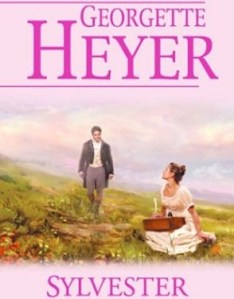
The idea excited me because it combined my favourite things – love stories and Georgette Heyer. The basic concept is a girl auditions to be an extra in a Georgette Heyer movie (based on the book Sylvester) but ends up being cast as the lead role despite having no acting experience. Various plots and dramas ensue and it ends with a love story.

But oh the writing was hard. I know next to nothing about making movies – not something that would normally daunt me, that’s what Google is for. But researching during NaNo is difficult as it breaks the flow. Then I realised I had no story arc, only character arcs, so I was writing into the dark. Again not something that normally bothers me, but this time (whether due to sleep deprivation, mental depletion or just a rubbish story idea) I drove into the dark to find only more dark.

nano_12_winner_detailI managed to limp over the 50k mark with two hours to go, but it was the greatest struggle and I was happy to abandon my half-written novel for Christmas Shopping on 1st December. Will I pick it up again? Hopefully one day. I began to understand my characters and get interested in the intrigue, but it is a draft that requires a complete rewrite so it’s likely to languish for a while. What did I learn? That maybe I’m not a Pantser writer after all. Perhaps, now and then, I need a better idea of where my story is going, other than that it will end with a happy ever after. I learned, too, about sitting down and just getting the words out. I had a week of no writing towards the end, leaving myself a 20k target for the last couple of days. I know I can write that much, but only when the ideas are flowing. This time I dragged myself along, like someone finishing a marathon long after the wall has been hit. And it was good. Good to know that I can write even when the ideas aren’t flowing, when the sleeping isn’t coming, and when I’m praying every day for my last novel to fly. Maybe I could make a career out of writing if I ever find an agent.

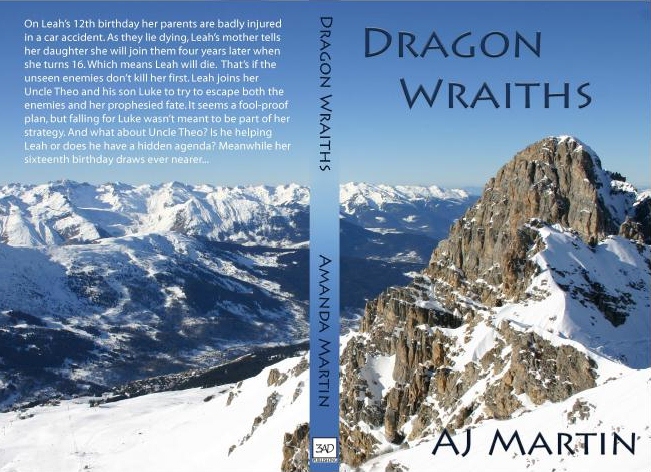
The cover I mocked-up for Dragon Wraiths to print a copy via Lulu

That brings me on to another event – Mslexia. My novel didn’t get shortlisted for the Children’s Novel competition but I did receive a very encouraging (group) response to suggest why. I was told that there were many strong novels written in the first person (like mine), many covering contemporary issues such as climate change (like mine), many with strong individual voices (hopefully like mine) and where there were two books covering the same topics only one was shortlisted. So maybe mine was just nearly good enough, rather than way off mark. Either way I believe in it, which is a first, and happily started sending query letters to agents the next day. The month before Christmas is probably not the time to be querying but I shall start again in the new year after reading through my newly acquired Writers’ and Artists’ Yearbook.

artintheheartThe other things that have been happening are that I have had some paintings accepted into the gallery Art in the Heart, despite my view that they would think them insufficiently arty (see earlier post). It was fun getting all my paintings out of the loft and choosing four to be displayed in January, alongside my miniatures and cards. It was nervewracking too, trying to narrow twenty paintings down to four, and writing an Artist’s Statement that was both interesting and honest. I still have much to do – getting new business cards and flyers and promoting the gallery through social media, as indicated in my contract, – but it was great to temper the disappointment of the Mslexia competition with a success.

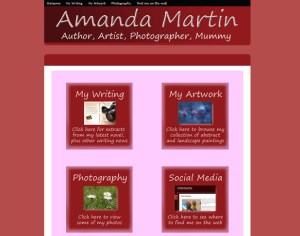
www.amanda-martin.co.uk

I might have to expand my website – Author/Artist/Photographer/Mummy isn’t covering it all any more!

Finally I had a job interview last week for a Marketing Manager (although really a Marketing Director) role. I had to pull together a presentation with a day’s notice, and despite tears and tantrums (mine and the kids) I managed it. I was rather relieved not to get the job as it turned out I would be managing 8 staff – I find it hard enough managing two pre-schoolers – but it was wonderful to put my heels on again and remind myself that I used to be good once. It’s funny how, in this slash-slash generation, you can forget the lives you lived before. Funny, too, that Artist and Marketing Manager should both come back as Writer and Mummy were under pressure.

PublishingLogo2cmSo, where next? I have decided I need to try harder to start my own business, to use those brain cells that have been long dormant. I rather-jokingly came up with 3AD Publishing when I prepared Pictures of Love for self-publishing, so that I would have a publisher’s logo on the spine.

My husband has started 3AD Solutions to promote some of his Product Management ideas. I think it might be time to combine forces.

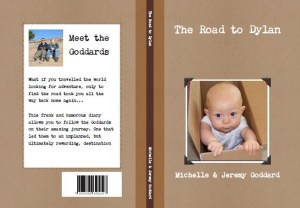
The cover I designed for my sister's book

The cover I designed for my sister’s book

I have enjoyed preparing texts to self-publish (I did one for my sister and her husband for Christmas, as well as several of my own) and I loved designing the front covers. There must be a market out there for those services!

Whatever happens, Writer/Mummy will continue, even if she morphs into Artist/Writer/Photographer/Mummy/Marketer/Designer/Editor.

Phew.

Bring on 2013!

Art, Literature and Authorial Intention

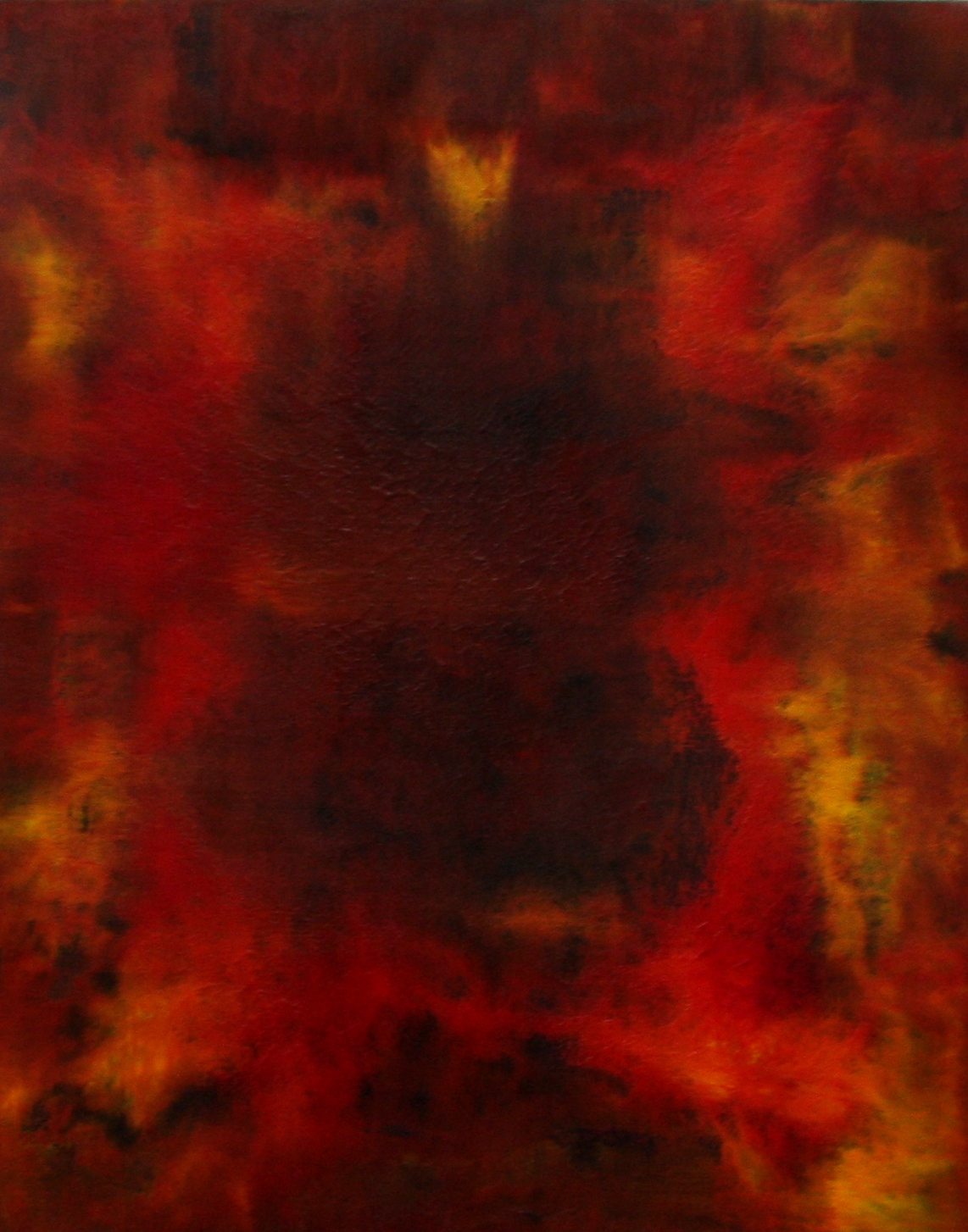
Do you see a donkey’s head (upside down) a gladiator (tilt head right) or a tiny ballerina?

Apologies, this is a whopper-post about some stuff that’s been whirling in my brain!

This week I had the amazing opportunity to take some of my paintings into a new gallery that has opened in Peterborough, called Art in the Heart. The gallery is a grand eclectic mix of artwork produced by artists who live within a 20-mile radius (preferably within the city but thankfully the Director, Dawn, makes exceptions as I fall in the 20-mile bracket).

The lovely Dawn generously gave me half an hour of her time to look through my abstract paintings, desk art and cards, as well as the marketing literature I have produced since I left work four years ago to become a full-time artist. It is the first time I have had the chance to speak properly to a gallery owner (which probably explains why I gave up my dreams of being a full-time artist fairly quickly) and it was an enlightening experience.

It seems that Art is all about the artist’s intention.

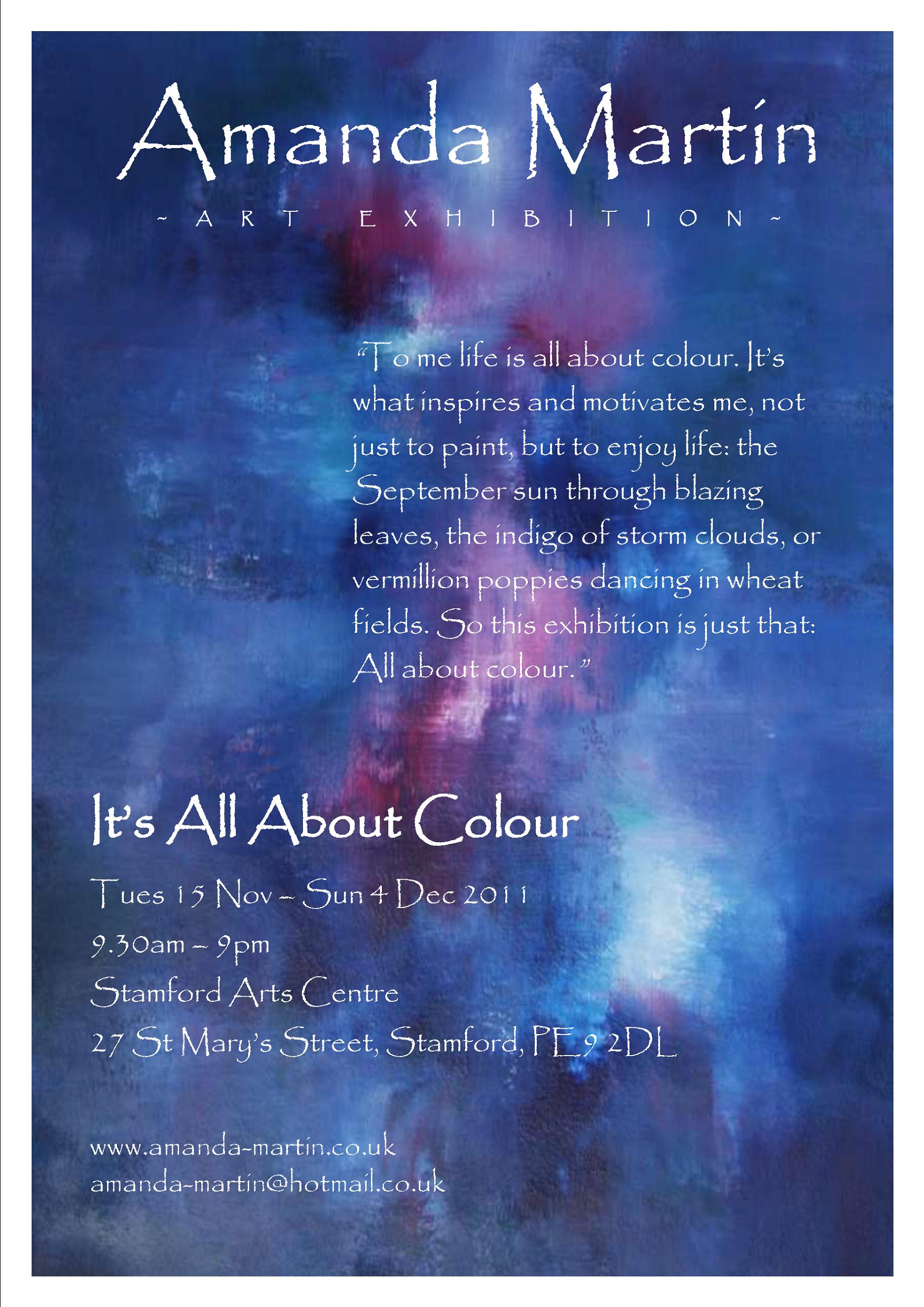
Now I’m the first to confess I know very little about art. I’m more or less self-taught in acrylics and have only had a few classes in watercolours since I did GCSE art twenty years ago. For me there has never been much in the way of meaning. I paint because I love colour (my one solo exhibition was called It’s All About Colour).

It’s All About Colour – Exhibition Flyer

I choose my palette of two or three colours, squirt them on the canvas, and then let my subconscious, or the paintbrush, or the paint, or whatever, take over. I push and pull at the paint to create texture, I follow what seems to be needed and I keep going (usually past the point where it’s at its best!)

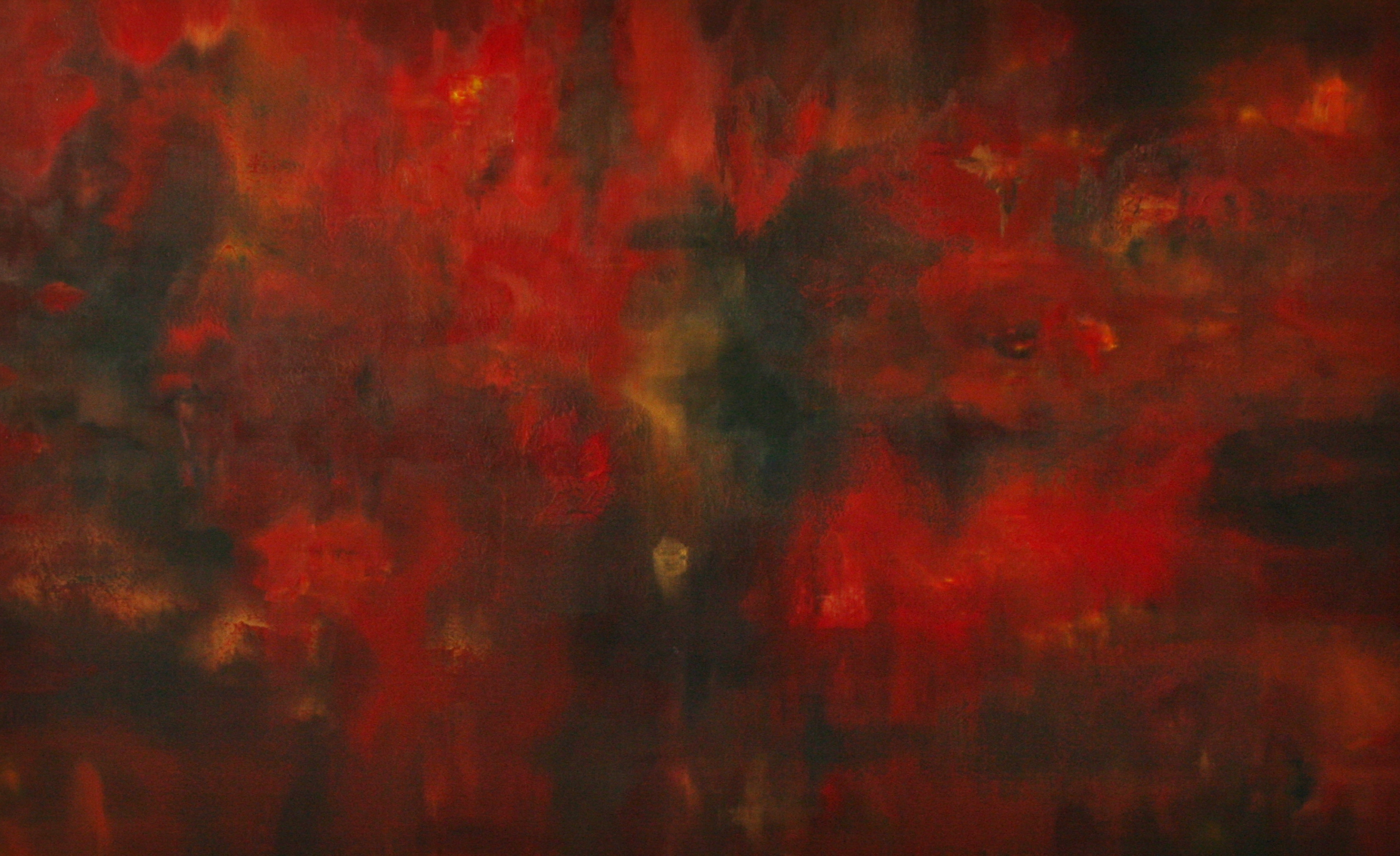
When the painting is dry I ask other people to have a look and see what they can see. Often there is something to be seen: a skeleton, a tiger’s eye, an emu, a dancing ballerina, a skull. These are all things that have appeared in my paintings. Not everyone can see them but, like those pictures of dots where you see the image if you go slightly cross-eyed, once you have seen something in my pictures it’s hard to see anything else. My husband’s favourite piece hangs in our dining room: a 4ft x 3ft dark red, black and gold painting that he stared at for weeks when he was really sick once. It is so personal to him now because he sees a gladiator fighting a lion.

Me, I see a donkey’s head.

It annoys me.

I daren’t show him where the darn donkey is or that’s all he’ll ever see, thus ruining his appreciation of the picture forever. (That’s partly why I don’t read book / film reviews. It’s too easily to be shown something that spoils your favourite book/film forever).

So for me there is no intention in my artwork, but I don’t think it makes it any less artistic. If anything, I think a picture is more profound, affects people more deeply, because they have decided what it means to them. They have invested their time and energy in interpreting it. I haven’t tried to push them in any given direction. Okay the pictures have titles, but usually they’re added afterwards.

Do you see a carnival mask?

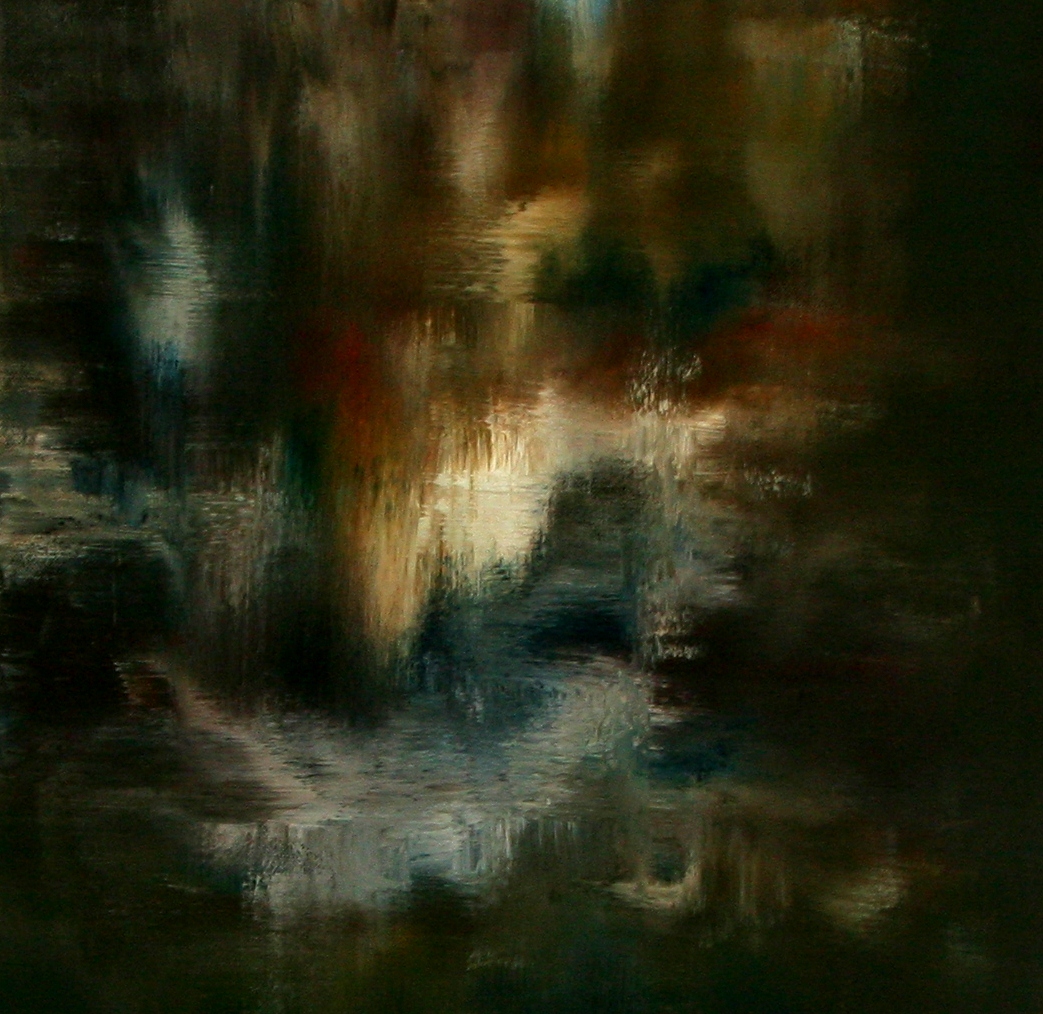
I might be motivated by the colour of river weed in sunlight or the bark of a Tibetan cherry tree but that isn’t necessarily what I’ve painted. If someone else sees a carnival mask or a desert landscape, then that is what the picture is to them.  In writing that would come under Reader Response Theory: the author and reader create the text between them and it is recreated new – and different – for every reader. Much nicer than being told what to think by the author, surely?

When I spoke to Dawn at Art in the Heart I got the impression that wasn’t enough. To be taken seriously in Art circles it seems I need to have profound thoughts before I began to paint. I need to want to say something, or to shock or question or promote thought. I like to think my paintings do that, if you give them enough time. But I can’t lie and say I’m trying to make people question their inner being or their religion or what it means to be a celebrity.

I just want to bring pleasure.

It’s hard to remember to keep the freedom of a child

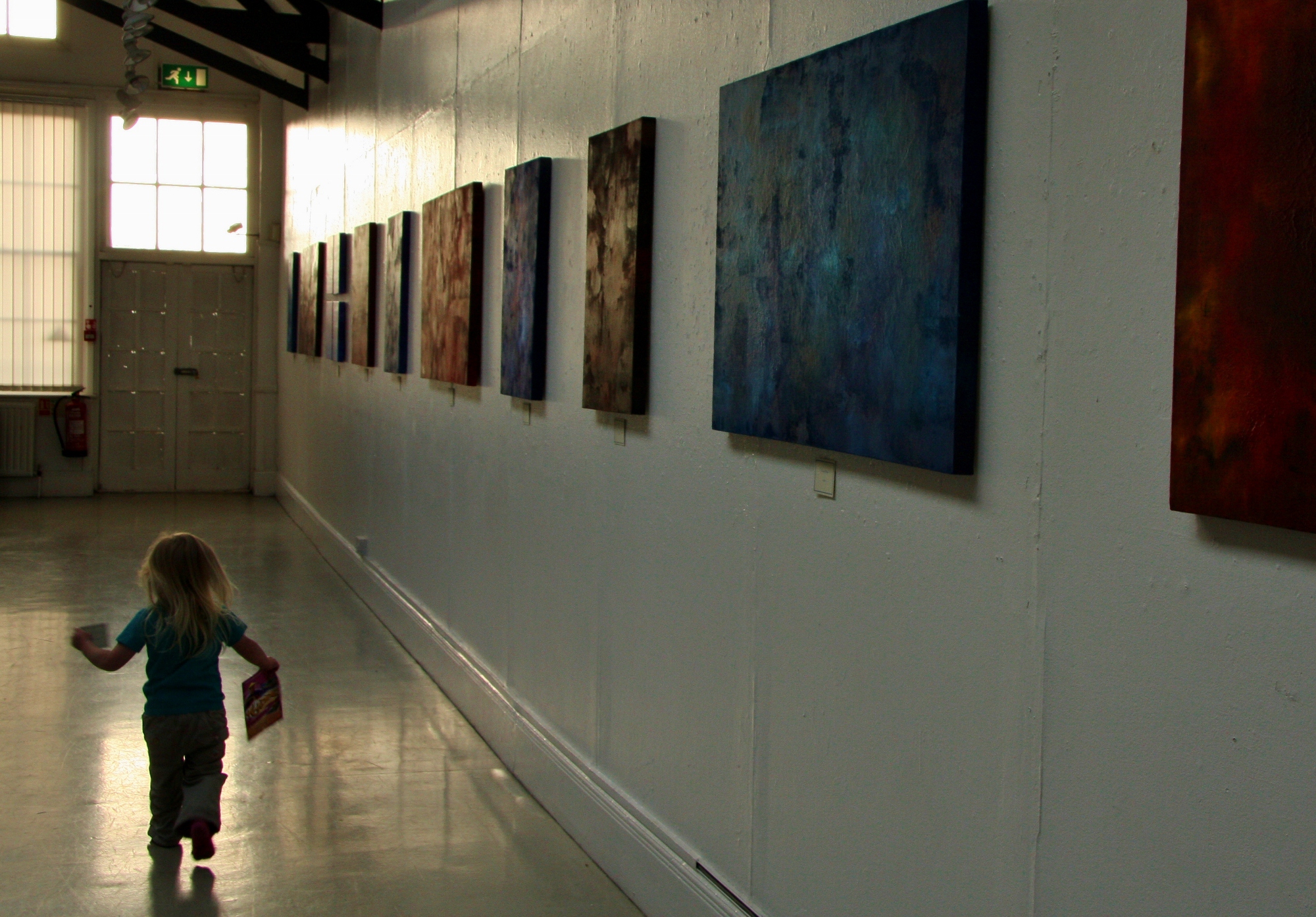
Somebody bought one of the paintings at my exhibition because she said it was an exact representation of the inside of her head. It doesn’t get more personal than that! Yet some of the feedback I got when I had my exhibition was the usual ‘My two-year-old could do better.’ Actually, when I watch my two-year-old painting, I think that’s actually a compliment. We have a freedom when we’re young, a disregard for what others think, that allows us to be completely uninhibited. My artwork got safer, more boring, less exciting, as I started to care what people thought. I lost some of the freedom of just painting for me, because it made me high on adrenalin to take a blank canvas and turn it into something vibrant and alive.

I’m trying to avoid the same thing happening with my writing. As I read books and blogs on writing craft I sense a danger of trying to conform to expectations, of shoe-horning myself into a genre or a three-act structure or what I am told makes good literature. I’m forcing myself to accept that, through writing what I like to read, I might be writing something that will sell without being too safe.

At least when it comes to authorial intention it doesn’t seem to matter so much in literature as it apparently does in Art. It doesn’t seem unforgivable to start writing without an intention, to not know where the story is going when you tap out the first sentence. I am sure there are as many authors who set out to teach, shock, thrill, amaze, tease or terrify as there are authors who start merely hoping they’ll get to the end of 100,000 words and have a story that works.

It was never my intention to paint a skeleton (right hand side) it just appeared!

Thinking about it reminded me of a section of my English Masters course about Authorial Intention. At the time I hadn’t written anything creative since GCSE English, ten years earlier. So, when I read that an author’s work could (should) be separated from the author’s intention, I thought What rubbish. Surely an author is always in control of their own writing? You can’t read into a character’s depth without accepting that the author meant for them to be like that. You can’t debate whether Hamlet is mad without accepting that Shakespeare knew very well whether he was or not. He must have had an intention.

Now, as an author with five novels and dozens of unruly characters under my belt I understand what baloney my old opinion was. Characters are sneaky: they do things we don’t expect or intend them to do. Their motivations can turn out to be nasty when we meant them to be good. They go off at tangents and fall for the wrong man. Somewhere in our subconscious we probably know why, but I don’t think it’s always a result of our intention.

I’ve found myself analysing my characters after I’ve finished a book, looking for their motivations, their flaws and strengths. To begin with that felt as fraudulent as adding words to my paintings after they’re finished, saying they’re about death or anger or whatever. The difference I guess is that people are easy to analyse by their thoughts and actions, presented there on the page. Paintings aren’t. And it isn’t fraudulent to look at Leah at the end of Dragon Wraiths and say she has suffered from growing up without a father figure. It’s there in the text, if you look for it. And it’s something I’ve been told is true about me. So I’ve written it into my character subconsciously because I understand it as a concept and because it fitted with my character and story. It wasn’t my intention but it’s still there.

One of the texts I studied on Literary Criticism during my MA is the one quoted below (borrowed from Wikipedia)

W.K. Wimsatt and Monroe Beardsley wrote in their essay The Intentional Fallacy: “the design or intention of the author is neither available nor desirable as a standard for judging the success of a work of literary art.”[1] The author, they argue, cannot be reconstructed from a writing – the text is the only source of meaning, and any details of the author’s desires or life are purely extraneous.

I can’t remember how I viewed this during my MA – those years are thankfully a blur – but I know how I view it now. True and not true (actually that’s exactly what I would have said then. My academic answers were always neatly balanced, me being a Libran and all.) I believe my books can be judged separate from me – as my paintings can – but you could use details of my life to help understand them better. My own relationship with my father, for example. Fathers, living or dead, feature quite often in my work. (In my NaNoWriMo this year the father has just had a heart-attack). Whether you could use that information to better understand my characters I’m not sure. My characters are not me. They draw on my experiences, they live lives I might have lived, or would want to live, or am glad I never lived. They often have red hair and green eyes (which I have always wanted!) or grey eyes (like a Georgette Heyer heroine) but they’re not me.

Wikipedia do a lovely summary of the different approaches to authorial intent in literary criticism (which made me quite nostalgic!) here. It was fascinating to remind myself of it all having now written some novels. It makes me want to go back and review my course through new eyes. Maybe it should be a requirement that every literary critic has written at least one novel (preferably a deadline-driven NaNoWriMo one, when your characters are most likely to wander off by themselves.)

Anyway, if you’ve read this far, thank you so much! Having scanned back through my post it isn’t always lucidly written. My academic days are long gone I’m afraid. But it’s been fun revisiting all those ideas and it was good to have your company. I would love to hear what you think!

Tarot Cards, Dragons, Babies and Georgette Heyer

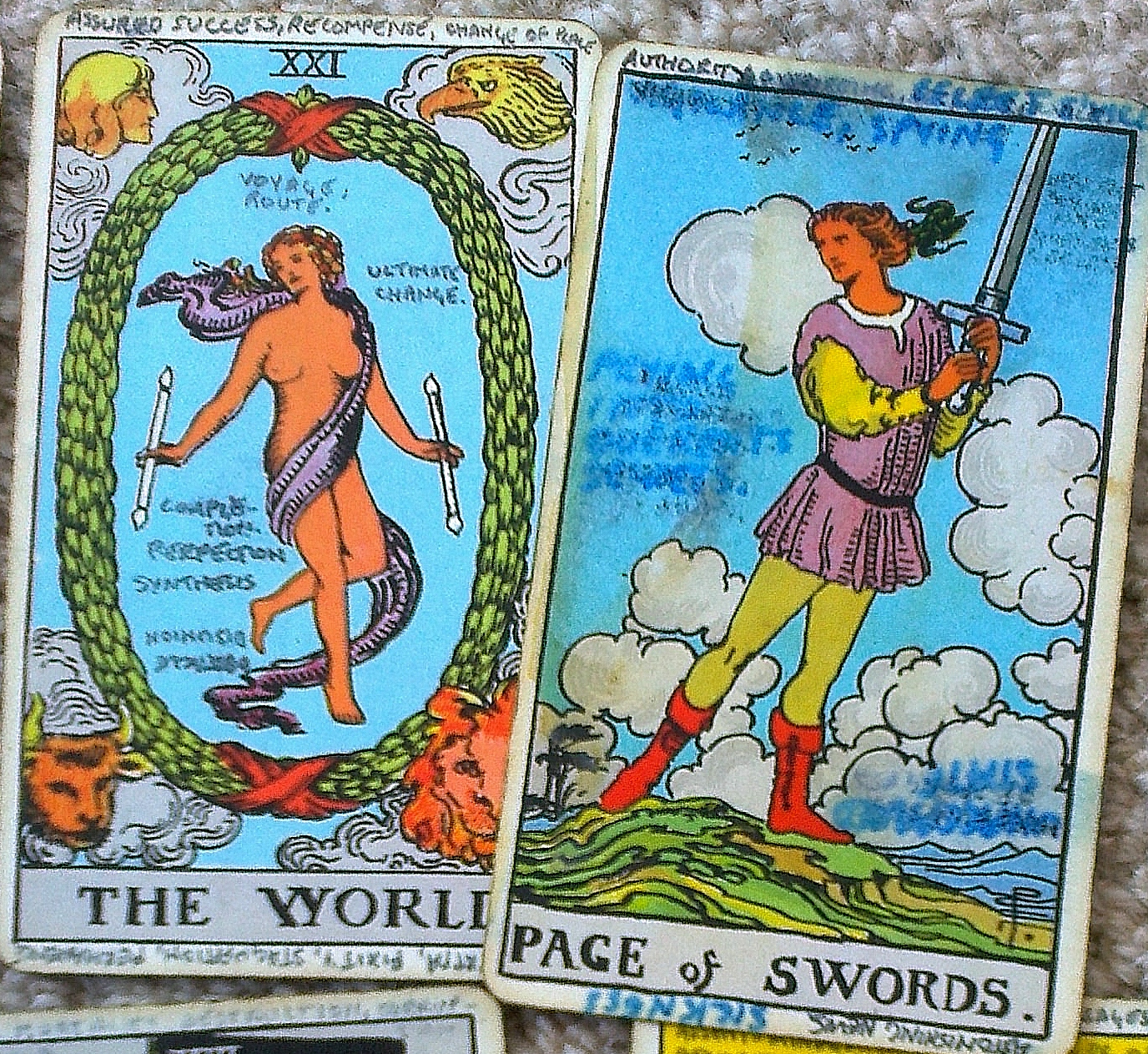
My novel Finding Lucy is all about Tarot

Tarot Cards, Dragons, Babies and Georgette Heyer: What do these things all have in common? They’re the main themes of my last four novels. Just as I have an eclectic taste in books and music (Metallica and Einaudi currently my car-CDs of choice) I appear also to have a varied set of themes and genres for my writing.

I’ve heard it’s wise to settle on one genre and writing style that represents your voice and stick to it. But when in your writing career do you do that? I’ve enjoyed writing Young-Adult-first-person-paranormal as much as writing third-person-contemporary-woman’s-fiction and now (hopefully) a romantic comedy. Who is to say which one is really my style?

Except they’re all romances. Gotta have a love story.

I guess maybe the market decides, by what you manage to get accepted by an agent or what sells online. Georgette Heyer, the subject of my NaNoWriMo this year, wrote forty odd Regency romances and something like a dozen detective stories, together with a historical novel or three. By all accounts she despised her romances and the people who read them and her best book is considered to be one of her historical novels. Yet her witty and well-researched historical romances still bring pleasure to millions. Even Stephen Fry counts her as one of his guilty pleasures.

I guess the thing to accept is that unpublished fledgling authors like me won’t know what their voice, their style, their genre is until it’s validated externally. If I’m extremely lucky I might get one of my styles published. I’m not fussy which one!

Until then, in my best Strictly Come Dancing Bruce Forsyth voice, “Keep writing!”

NaNoWriMo irony


The cover I mocked-up for Dragon Wraiths to print a copy via Lulu

The cover I mocked-up for Dragon Wraiths to print a copy via Lulu

I’ve been really struggling this week. Not just with a bad cold, conjunctivitis and a newly-unemployed husband at home scuppering my writing routine. None of those things has helped, of course, any more than the freezing rain, or the end of British Summer Time that has resulted in my kids getting up at 5.30pm every day.

No, what’s really killed my Muse at the worst possible time is the appearance of an unknown character in my head: my Willing Editor.

I’ve met my Inner Editor before – that nasty critic who stops me writing before I’ve even started and tells me everything I write is rubbish. I’m even on nodding acquaintance with my Reluctant Editor. The one who half-edited Pictures of Love before getting bored, and who tortuously ploughed through Dragon Wraiths to meet a deadline.

But to want to edit? To want to edit more than write something new for NaNoWriMo?

Unheard of.

Until now.

I think the change came when my husband commented on how much easier it was to read the second draft of Dragon Wraiths and has told me several times since how impressed he is at how good my editing was.

Praise – it works every time.

Also I’m deliriously happy that I managed to edit Dragon Wraiths enough to make the darn thing actually made sense. For the first time editing has produced tangible results rather than just giving me a headache. Hurrah.

The irony?

Well it’s Nano. I wasn’t going to do it this year, knowing I had too many projects on and am neglecting the family as a result. But I got swept up in the online chat, the excitement, the buzz (although that’s not being helped at present by the fact I’m not receiving the pep-talk emails. I really miss them and hope the guys at Nano fix the problem soon.) I persuaded my husband and my best friend to give NaNoWriMo a try this year. I wrote my top tips which said just get on and do it.

Then I got Writer’s block on a scale I’ve never experienced before. It has taken me five days to even settle on a topic and the one I have chosen is an old novel idea that’s so technical I keep getting dragged off into research. Thus far I’ve managed 1600 words including the synopsis.

Oh, and I’ve edited 30 pages of Pictures of Love. Properly this time. And do you know what? I think I enjoyed that more!

What if anything has derailed your NaNoWriMo this year? Will you get back on track? I now have a dual target of 50k words and 500 pages of editing for November. Apparently I work best under pressure.

p.s. one of my best NaNoWriMo-avoidance activities this week was making a mock front cover for Dragon Wraiths so I could print a copy for my mum for her birthday. It’s not what I’d choose for a final cover but I was pleased I managed to turn a word doc into a printed Lulu book (interior and exterior) in eight hours!

Always get a second opinion

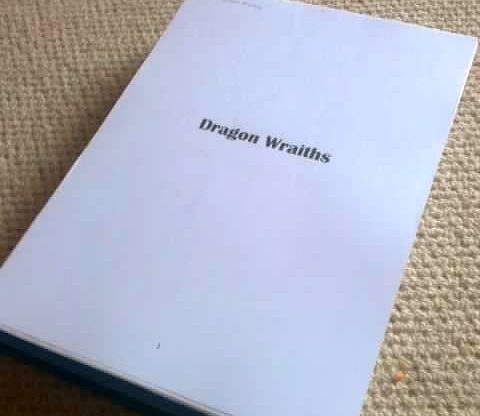
I love a printed manuscript: it LOOKS like 7 months’ work

This week my Young Adult novel, Dragon Wraiths, got long-listed for the Mslexia Children’s Novel Competition. I would like to say I was thrilled when I received the email, but I’d be lying. It came only hours after I had typed up the last second-draft-edit amends and vowed to put the darn novel in the bin/cupboard/big pit in the garden because, seven months after starting it, I still had no idea what it was about.

Instead my overwhelming emotion was fear. How could I send my manuscript off, all 112,500 words of it, with my name on the front (though thankfully the competition is judged anonymously) when I KNEW it was a pile of crap? But I had come so far, invested 7 months of my life, not to say thousands of pounds of nursery fees, plus the competition entry fee. I wasn’t giving up.

So I called in the troops. Sent the novel to my mother and pleaded with her to read it and tell me the most awful plot-hole-disaster bits so I could focus on fixing them before sending the manuscript off a week later.

That was Thursday night. On Friday, when I took the kids over to see her as usual she had to tear herself away from reading the book. My book. Friday night she sent a copy over to my step-dad’s iPad and Saturday morning (early) I got a text to say he was so engrossed she couldn’t get a word out of him. That of course spurred my husband to start reading it again, the edited version this time. I have learned an important lesson about waiting to give out the edited version because he soon couldn’t put it down. (He sat in the car while I took the kids to an indoor play centre on Sunday on the excuse that he had a cold and it was too hot and noisy, when really he wanted to keep reading.)

By Sunday night everyone had finished it.

My step-dad (who isn’t an avid reader, but loved the Twilight series) said “Book 2 Please”.

“What about the plot holes?” I asked, perplexed.

“Well, apart from saying she’s never been camping in part 2 when part 1 pretty much opens with her camping on a hillside, we didn’t find any plot holes.”

“What about the ending? Doesn’t it all feel a bit forced?” It took weeks of agonizing to try to make sense of it all, with me cursing my Pantser habits all the while.

“Ending was great, it all made sense.”

I sat and stared, open mouthed.

So instead of spending this week desperately re-writing huge chunks of my novel I have been calmly tweaking the one or two weak scenes my husband highlighted. Today I printed out all 462 pages and posted it.

Dear manuscript, all my blessings go with you

Leaving me free to start NaNoWriMo tomorrow.

Of course, that’s a different ball game entirely. I was going to rework one of my romances for Nano this year, but now I’m thinking about starting a sequel to Dragon Wraiths. Who knows, unlikely as it seems to me, it might actually go somewhere.


What have I learned?

I’ve always been too scared to relinquish my work to a critique group for fear of being told to give up writing and go back to the day job. I know family members are biased, but my parents don’t give up their weekends lightly. If they read my book non-stop to the end it was because they wanted to. That must count for something. Maybe I need to have more faith in myself.

Writing is a solitary business and editing is worse because you don’t even really have your characters for company. It’s easy to forget what’s good about your novel. You get too close, you lose the ability to feel the suspense, to be swept up in the drama.

My advice? When you have torn your novel apart and rebuilt it from the ground up, and you still think it stinks, remember – ask for a fresh opinion. You might just be pleasantly surprised.


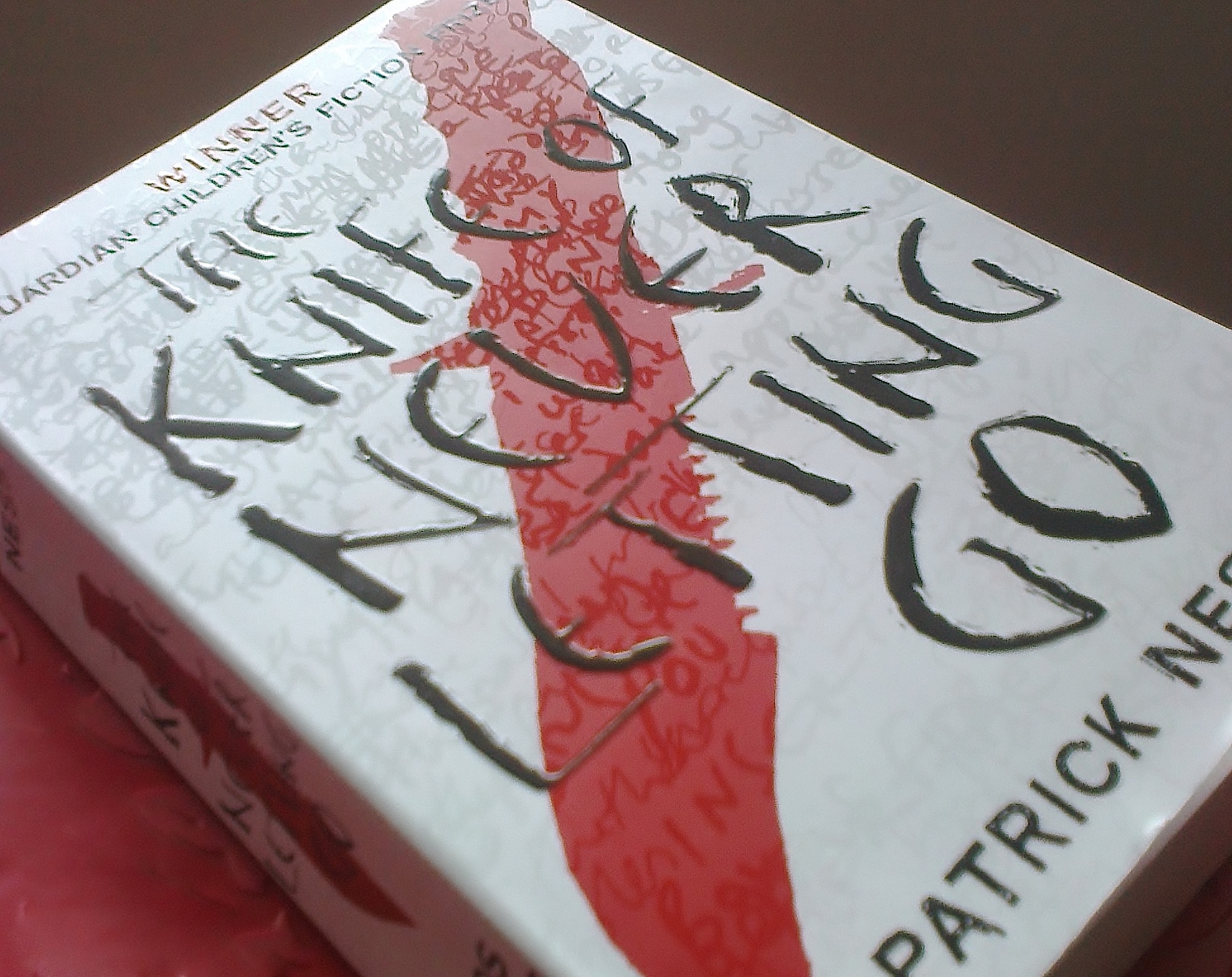
The Knife of Never Letting Go ~ All about conflict

I have just finished reading The Knife of Never Letting Go by Patrick Ness – part of the reason why I have been quiet on the blog for a while. That and I have been writing a guest post for Findingmycreature, which will hopefully be on her blog sometime in November.

The Knife of Never Letting Go is a stunning book, one that drags you along from the first sentence to the last. I have learned a great deal from reading it, as it consolidated some of the lessons I have been taught through reading blog posts such as Kristen Lamb’s on the role of conflict and Annie Cardi’s on the importance of voice in Young Adult literature.

The voice of Patrick Ness’s main character, Todd Hewitt, is so well realised I almost wept with envy. It has made me revisit my Young Adult book, Dragon Wraiths, and realise there is little distinction between my voice and my lead protagonist’s voice, despite Leah being 20 years younger than I am. I have a lot to learn about creating the voice of a teenager and I may have to wait a decade until my daughter is one before I can recreate the voice as authentically as Ness has.

The book also has conflict in bucket-loads. There is conflict in every scene right through to the very last line. The pace is relentless and the story so compelling it made me sit up until 2am to finish it, even though I knew there was a chance the kids would then kept me awake the rest of the night (they did).

However the book also left me bereft and unsettled because (for me) there was too much conflict. Even when there was the occasional scene without conflict, I knew it was just creating the calm before storm, setting up the irony for when it all went pear-shaped again.

I’m a Libra, we like balance and harmony. My inner peace is wrenched apart by too much conflict. As a result, even though I accept the advice from people like Kristen Lamb about the importance of Goal – Conflict – Disaster, I find it very hard to write. My attempts either become terribly predictable: Oh look, my character is happy, let’s throw some crap at them and make them feel rotten, or I shy away from the places where I could ratchet up the tension and let my protagonist off far too easily.

Reading through Dragon Wraiths I found myself noting again and again – Make more of this, build up this scene, make it harder for Leah. When there’s a sentry in Leah’s way he doesn’t chase her for a league making her terrified and sweeping us up in her fear. Instead he’s distracted by his grumbling tummy and she sneaks past. Another security guard is conveniently on the floor above when she needs to avoid detection. She’s running from the authorities but not once is she approached by a policeman or gets accosted by some busybody in the street who has seen her face on TV. The entire book has less conflict than an episode of Noddy.

I guess the problem for me is that my life is full of enough (generally internal) conflict that I read to escape. At times in The Knife of Never Letting Go I found myself skipping ahead during the most tense and dramatic scenes, to find out the end result, because they were so drawn out I couldn’t sustain that level of suspense for so many pages. It was so expertly written, and I was so caught up in Todd’s exploits, particularly as a result of the very intimate first-person-present prose, that I had to metaphorically hide behind a cushion for some of the scenes. Only Doctor Who ever normally makes me do that (and the only characters in Doctor Who that have made me do that since I was eight are the Angels).

All that aside, Patrick Ness has written an amazing novel with a brilliant concept, 4D characters (my favourite being Manchee the talking dog) and enough things to get me thinking about my own characters’ voices and motivations to keep me re-writing Dragon Wraiths for a decade. It’s just a shame about the cliff-hanger ending. The characters were left in danger. I hate that. And I’m not ready to read the next one in the series yet. After a novel that edgy I need at least three Georgette Heyers to restore my equilibrium. Now, where did I put Friday’s Child?

Revision blues

I have revision blues. I was so excited about starting to revise my WIP but I still have no real understanding of how to go about it, and when I can’t do something it makes me sad. Not very helpful or grown up, I know. If my daughter said such a thing to me I’d tell her it just takes practice and it’s okay to ask for help. She’s three. It’s okay not to know how to do something when you’re three!

I like to think it’s the impossible deadline (combined with a killer cold) that has sucked my motivation, but that’s just an excuse. I’m good at excuses. If I’m honest (in a way you can only really be with yourself at 1am) the difficulty with revision is that it exposes how little I truly know about writing.

I hate being a novice.

I nearly sobbed in rowing today because the coach was telling me I was doing it all wrong. It was only my fourth lesson but I’d done so well the week before it was crushing to be told I was rubbish. No one is more critical of me than me and I get extremely frustrated at myself if I can’t do something. To the point that – like my stroppy three-year-old – I stomp my foot, yell “Can’t do it!” and chuck whatever item I’m holding across the room. (Did I mention I’m more of a child than she is sometimes?)

I read another instructive blog by Kristen Lamb this week, this one was about structure and how it separates the beginners from the professional writers. I confess I didn’t completely understand the blog which probably puts me firmly in the not about to be published anytime soon camp! I do at least own the Plot and Structure book she quotes from: I just need to read it.

So, as well as trying to polish a first draft in an impossible six weeks, just in case I’m shortlisted for the Mslexia award, I’m trying to learn how to write and how to revise all at the same time. It’s no wonder I’ve picked up Garth Nix’s Keys to the Kingdom again. I’m already on Drowned Wednesday. I may not know much about scene and sequel or Goal – Conflict – Disaster but when it comes to displacement activity I’m a master.

The one positive I’ve had so far is discovering a useful revision summary by KittyB78. It doesn’t tell me how to revise but it does give some things to look for, such as scene flow and characterisation. I like the idea of highlighting different parts, like dialogue, internal thought, characterisation, in different colours. There are also some other great revision tips in the comments.

My biggest challenge this year might be resisting the urge to do NaNoWriMo again. I love it and several of my (unfinished) novels were born in November. However the last thing I need right now is another first draft to nag at me and distract me from actually finalising one of my existing manuscripts. Kristen Lamb is always talking about writers being distracted by the next new shiny.

That’s me!

Writing first drafts is so easy compared with revision and yet seems more like Writer work, so I don’t feel guilty for being unemployed as I do most days. If only they could do a revision equivalent of NaNoWriMo, to help and motivate you to beat a Nano first draft into shape. Now that I’d sign up to!

Anyway I think my darling son is finally asleep, despite the tap-taping of my mobile phone and the eerie sight of me up-lit in the darkness, so it’s back to bed for me. I haven’t revised more than a page in a week so must get a good day in tomorrow.

May the muse be ever in your favour.

Learning to row and little ones growing up

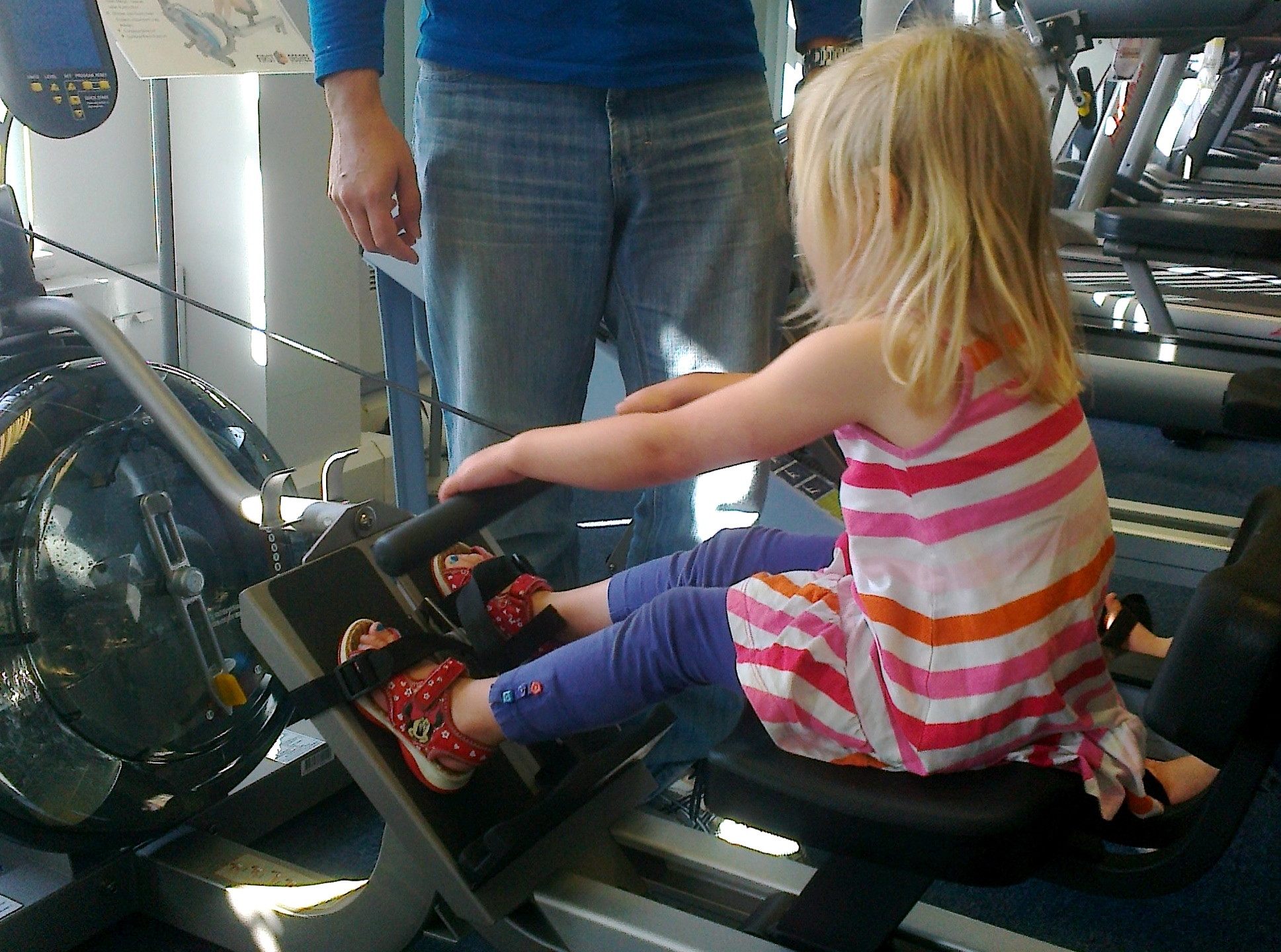
Turns out rowing is in my family’s blood!

I must apologise for my prolonged silence. When my babies were born a childminder I met said, “As a parent of very young children your world will shrink to a tiny point where the only things that matter are whether they eat and sleep and are happy. As they grow older you will begin to remember that there’s a whole other world out there.”

As my son’s second birthday approaches (this Friday – I can’t believe it) that prophecy has become true. All of a sudden I have re-joined the human race. As a result, some things – like my writing and this blog – have been forced into the background, despite my best intentions that that wouldn’t happen. I’m particularly concerned that I have entered my young-adult novel Dragon Wraiths into the Mslexia competition without the final draft being completely finished. I’m taking a gamble that I’ll be able to at least fix any continuity errors before I might have to submit the full manuscript, which they estimate as being in November for the short list. To be honest I don’t really expect to make the short list so it will be a nice dilemma to have.

For those paying attention to my on-going ramblings about my young adult book I have had to forgo entering the Chicken House competition, as the final first draft came in a third over their word count limit of 80,000. I’m not an enthusiastic (or experienced) enough editor to lop off thirty-five thousand words in a month.

So what have I been doing in the real world?

Learning to row

I married into a family of rowers and always vowed I would learn one day. I vowed I’d learn Italian too (my husband is half-Italian) but that’s proving more tricky. My husband planned to teach me to row after our second child was born, but a premature baby and postnatal depression put paid to that idea.

Then this summer our local Adult Education brochure arrived and I read it cover to cover, as I always do. I’m an academic junkie as well as always being on the lookout for local Italian classes. No joy on that front but there was a five-week Ladies Only Learn to Row course. Fate.

I changed the kids’ nursery days, swore my husband to secrecy, and signed up. Three weeks in and I’m loving it: Now I can actually propel the boat without facing the prospect of a cold bath that is. The first two weeks were HARD. My brain wasn’t used to concentrating for two hours at a time and I got very cross with my lack of coordination. The lady from British Rowing seemed to think I was the antithesis of a natural.

Today, though, the boat flew. It was amazing. I rowed with my eyes closed. Literally. To start out rubbish and get better – to feel myself improve and to get instant feedback (if I sense I’m about to join the ducks I’m doing it wrong) – is exhilarating.

If only writing was like that. Or parenting.

After nearly four years of feeling like a failure it was fantastic to be proud of myself for once.

Little ones growing up

The other thing we’ve been doing this week is looking at primary schools for my daughter. Scary stuff. I’ve thought about where I would like my children to go to school pretty much since my daughter was born. Several of my friends are teachers and my sister moved her family to America partly because of a school she wants them to attend. Education is important.

I think back to the various schools I went to as a child and I can see the different shifts in my personality that came with each one. To make that decision now, when my daughter is not even four and my son (who will hopefully go to the same school) is not quite two, seems madness. Thankfully we are blessed with an array of great state schools around us so the choice is more small village school versus larger town school, and whether to take current friendships into account. No decisions yet. I’ll keep you posted.

In the meantime I am trying to get my head back into writing, to plod on with editing Dragon Wraiths (harder than I hoped it would be) and writing query letters for Pictures of Love (which I still intend to self-publish but, as I haven’t got time to do the final proof-read at the moment, I may as well rack up a few more rejection letters!)

Have any of you recently sent your first child to school or started a new hobby? What keeps you away from editing and blog writing?

Renewing my love affair with dragons (and editing)

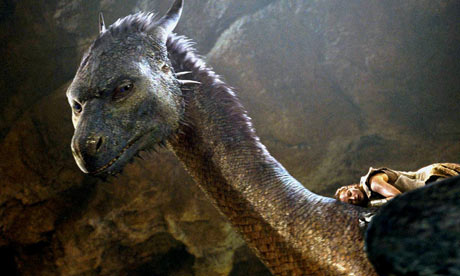
Still from Stefen Fangmeier’s 2006 film Eragon.
Photograph: 20th Century Fox/Allstar

I find myself in the unprecedented position that I am itching to start editing my work in progress, Dragon Wraiths.

Usually I only enjoy the writing part and approach revision and editing much as I would a trip to the dentist. This time, though, I am having to force myself to finish the four or five chapters in the final section before I start taking it all apart. Thankfully I decided on a structure of nine 3,000-word-ish chapters per section (although I have added a whole extra section in my usual scope-creep), otherwise I would take the easy way out and decide the first draft is done already.

For most of my novels I am aware that I have underplayed the climax because I ran out of steam, or ideas, or a new book lured me away. So I am determined to battle through my battle scenes before I let myself review the whole and start drawing out the themes.

This time I think my last-chapters-lethargy is caused by things other than exhaustion or boredom (although with an average word count of 10,000 a day on the two days a week I get to write, exhaustion of ideas is definitely a factor. Hence no blog posts for a couple of weeks – all out of words!)

Firstly I’ve already closed out the love story and written the final scene. A mistake, but an unavoidable one. The final scene presented itself while I was walking the dog (see next post) and I never look gift words in the mouth. As a result I have written the bit of the story I’m interested in and skimmed over the same parts I often skim-read, namely the battle scenes.

The other problems are more positive. I am nervous, elated and excited about this book. It feels good. I have ideas about themes, character development, setting and so on that I want to build on during revision. All the wonderful blogs I read have clearly had an influence and I am eager to put them into practice.

I have also been reading some excellent and varied middle grade and young adult books about dragons, including Eragon by Christopher Paolini (written when he was fifteen!) and The Dragon’s Eye by Dugald A. Steer. These were complemented by an interesting blog post from 2009 that I discovered when searching for an image for this post: Dragons in Literature by Imogen Russell Williams, adding yet another great blog writer to my growing list.

As well as my eagerness to get going on revision I am also conscious of my deadlines. I am writing this book to enter in two Children’s Novel competitions, with deadlines of 10th September and end October. Clearly there is not enough time to revise properly so I need to get started as soon as I can or face a difficult decision: Whether to forget the competitions and focus on finishing the novel to the best of my ability or do a rush job (including reducing word count from 110k to 80k) and hope for the best.

What are your views on dragons in literature?

Have you ever had to rush revision to hit a deadline? All advice gratefully received. 

This interview with Christopher Paolini contains some great advice for writers.